Disclosure: This article is for educational purposes only and is not financial or investment advice. Investing involves risk, including possible loss of principal. This post may contain affiliate links. Always do your own research or consult a licensed professional.
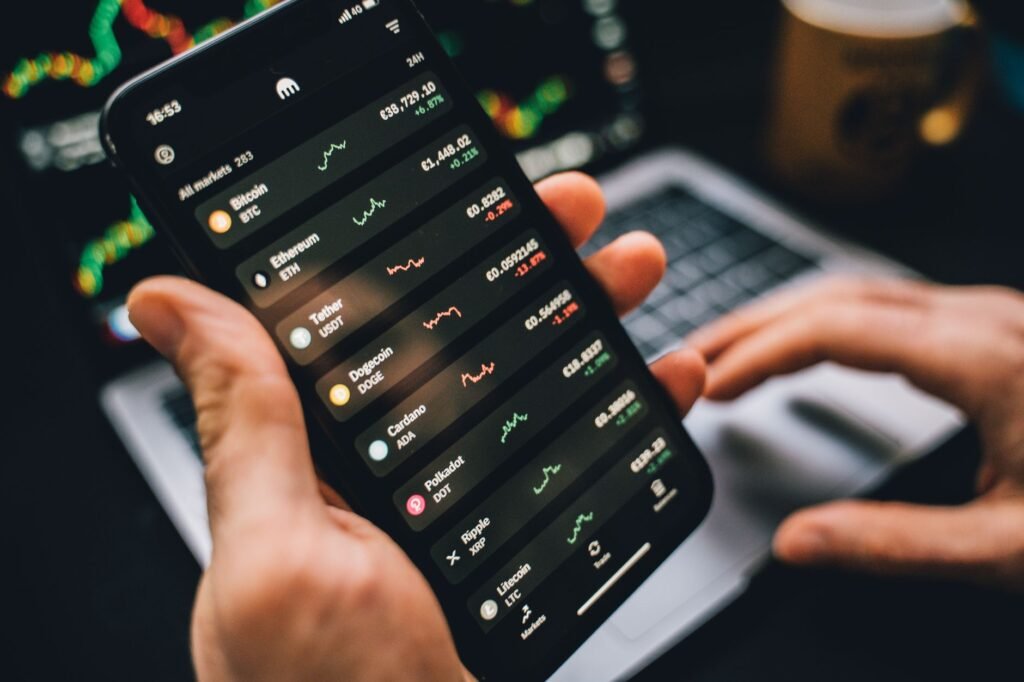
The right app can turn investing from an intimidating chore into a few taps on your phone. In 2026, beginners have more choices than ever — commission-free trading, fractional shares, automatic investing, and clean interfaces that don't require a finance degree to navigate. But more choice also means more confusion.
This guide focuses on what actually matters: the features that separate a great beginner app from a gimmicky one, the main types of investing apps, and how to choose the one that fits your goals. Rather than chase a leaderboard that changes constantly, you'll learn how to evaluate any app for yourself.
What makes a great investment app for beginners
Before downloading anything, know what you're looking for. The best beginner apps tend to share these traits:
- Low or no fees. Look for commission-free trades on stocks and ETFs, and watch for hidden costs like account fees, withdrawal fees, or wide spreads.
- No (or low) account minimums. You should be able to start with a small amount. See how to start investing with little money.
- Fractional shares. This lets you invest a few dollars at a time instead of buying whole, expensive shares.
- Access to low-cost index funds and ETFs. These are core beginner building blocks. If an app pushes only exotic or high-fee products, be cautious.
- Strong security and regulation. Choose apps from established, regulated brokerages with account protection (such as SIPC coverage in the U.S.) and solid two-factor authentication.
- A clean, simple interface. You want to feel calm and in control, not overwhelmed by charts you don't understand.
When comparing apps, open their fee pages and read them carefully — that's where the real differences hide.
The main types of investing apps
Not all apps do the same job. Matching the type to your goal makes the choice much easier.
Beginner brokerage apps
These give you direct access to buy stocks, ETFs, and index funds yourself. They're flexible and usually commission-free, making them great if you want to learn by doing and pick your own broad index funds.
Robo-advisors
A robo-advisor asks a few questions about your goals and risk tolerance, then builds and manages a diversified portfolio for you automatically. They charge a small management fee in exchange for doing the thinking. Ideal if you want a true "set it and forget it" experience.
Micro-investing and round-up apps
These specialize in investing tiny amounts — including spare change rounded up from purchases. They're excellent for building the habit, though it's worth checking that flat monthly fees don't eat into very small balances.
Retirement-focused apps
Some apps center on tax-advantaged retirement accounts like IRAs, which can be a smart home for long-term money. Many beginner brokerages offer these too.
To understand the products these apps let you buy, see index funds for beginners and stocks vs. index funds vs. ETFs.
How to choose the right app for you
Instead of asking "which app is best," ask "which app is best for me?" Run through these questions:
- Do I want to choose investments, or have it done for me? Hands-on → beginner brokerage. Hands-off → robo-advisor.
- How much am I starting with? Tiny amounts → fractional shares and no minimums are essential.
- What's my goal? Retirement → prioritize tax-advantaged accounts. General investing → a flexible taxable brokerage.
- What will the fees cost me at my balance? A $3/month fee is trivial on $5,000 but punishing on $200.
- Does it feel trustworthy and easy to use? You'll use it more if it's pleasant and you understand it.
There's no single "best" app for everyone — the right answer depends on your situation. Many beginners even start with one simple app and adjust later as they learn.
Watch out for these red flags
Some apps are designed to entertain rather than build wealth. Be wary of:
- Gamified day-trading features that nudge you to buy and sell constantly. Frequent trading usually hurts beginners.
- Hype around crypto, options, or "hot" stocks. High-risk products marketed as easy money are a warning sign, not an opportunity.
- Confusing or buried fee structures. If you can't easily tell what you're paying, that's intentional.
- Pressure to deposit more or trade more. A good app helps you invest calmly, not compulsively.
The healthiest mindset is the boring one: invest regularly, hold for the long term, and treat the app as a tool — not a casino. This pairs naturally with dollar-cost averaging.
Frequently asked questions
What is the best investment app for a complete beginner?
There's no universal best — it depends on whether you want to pick investments yourself (a simple brokerage app) or have it automated (a robo-advisor). Prioritize low fees, no minimums, fractional shares, and strong security.
Are investing apps safe?
Reputable apps from regulated brokerages with account protection (like SIPC in the U.S.) and two-factor authentication are generally considered safe to use. The bigger risk is usually the investments themselves, which can lose value, not the app.
Do investment apps charge fees?
Many offer commission-free trading, but fees can still hide in account charges, management fees, withdrawal fees, or fund expense ratios. Always read the fee page before committing, especially if your balance is small.
Can I start investing with $10 on an app?
Yes. Many apps support fractional shares and have no minimum, so you can begin with $10 or even less and have it fully invested. Starting small is a great way to build the habit.
Should I use a robo-advisor or pick investments myself?
If you want simplicity and automatic management, a robo-advisor is appealing. If you'd rather learn and control your choices — and save the management fee — a basic brokerage app with low-cost index funds may suit you better.
The bottom line
The best investment app for you in 2026 is the one that's low-cost, secure, easy to understand, and matched to how hands-on you want to be. Don't get paralyzed chasing the "perfect" app — focus on the fundamentals, avoid gamified gimmicks, and remember that the app is just a tool. What grows your money is consistent investing in low-cost, diversified funds over time. Once you've chosen one, see how to invest your first $1,000 and return to our investing for beginners guide for the full plan.